



Milksy blog
Breastfeeding: everything you need to know
Breastfeeding is the most natural way to feed your baby and offers many benefits for both baby and mother. In this article we discuss…

Breastfeeding is the most natural way to feed your baby and offers many benefits for both baby and mother. In this article, we discuss everything you need to know about breastfeeding, including the benefits, latch-on technique, baby's nutritional needs, and common breastfeeding problems.
The benefits of breastfeeding
Breastfeeding offers numerous benefits for both the baby and the mother. Here are some of the main benefits:
- Breastfeeding contains all the nutrients the baby needs to grow and develop, including proteins, fats, carbohydrates, vitamins and minerals.
- Breastfeeding strengthens the baby's immune system and protects against infections and diseases, such as diarrhea, ear infections and respiratory infections.
- Breastfeeding reduces the risk of allergies, asthma, obesity and type 2 diabetes in the baby.
- Breastfeeding promotes bonding between mother and baby and can help reduce postpartum depression in the mother.
The latch-on technique for breastfeeding
Good latch-on technique is essential for successful breastfeeding. Here are some tips for good construction technique:
- Ensure a comfortable position: Make sure you sit or lie comfortably while feeding the baby. Use pillows to support your back and arms.
- Position the baby correctly: Place the baby with his stomach against your stomach and make sure his nose is opposite the nipple.
- Open the baby's mouth: Gently tap the baby's lips to encourage him to open his mouth. Make sure the baby opens his mouth wide enough to take the nipple and part of the areola into his mouth.
- Check the position of the nipple: Check that the nipple is placed in the baby's mouth and not pressing against the roof of his mouth or gums.
- Let the baby suck: Let the baby suck, making sure he holds the nipple and areola with his tongue and lips.
- Switch breasts: Switch breasts after each feeding to ensure the baby gets enough milk and to stimulate milk production.
The baby's nutritional needs
The baby's nutritional needs change as he grows and develops. Here are some guidelines for baby's nutritional needs:
- Newborn babies need about 8 to 12 feedings per day, at 2 to 3 hour intervals.
- As the baby grows, the number of feedings decreases and the duration of feedings increases.
- Babies need approximately 150 ml of milk per kilogram of body weight per day.
- Babies need extra vitamins D and K, which can be given as a supplement.
Common problems with breastfeeding
Although breastfeeding offers many benefits, problems can also arise. Here are some common breastfeeding problems and how to solve them:
- Cracked nipples: Cracked nipples can occur as a result of poor application technique or dry skin. Use nipple ointment from, for example Medela and check the construction technique.
- Breast infection: Breast inflammation can occur due to a blocked milk duct or an infection. Use warm compresses and massage the breast to open the milk duct. Consult a doctor if symptoms persist.
- Too little milk production: Too little milk production can occur as a result of stress, fatigue or poor latch-on technique. Ensure sufficient rest and nutrition and check the application technique.
- Too much milk production: Too much milk production can lead to clogged mammary glands and mastitis. Use a breast pump to express milk and avoid tight clothing.
- Thrush: Thrush is a fungal infection that can affect both the mother and the baby. Consult a doctor for treatment.
Conclusion
Breastfeeding offers many benefits for both baby and mother, but it can also bring challenges. By using good latch-on technique and understanding the baby's nutritional needs, you can have a successful breastfeeding experience. Consult a doctor if you experience problems with breastfeeding.
Continue reading
More from Milksy

How diet and lifestyle affect breast milk production and quality
Breast milk is the best food for babies because it contains all the nutrients a baby needs to grow and develop…
Read more →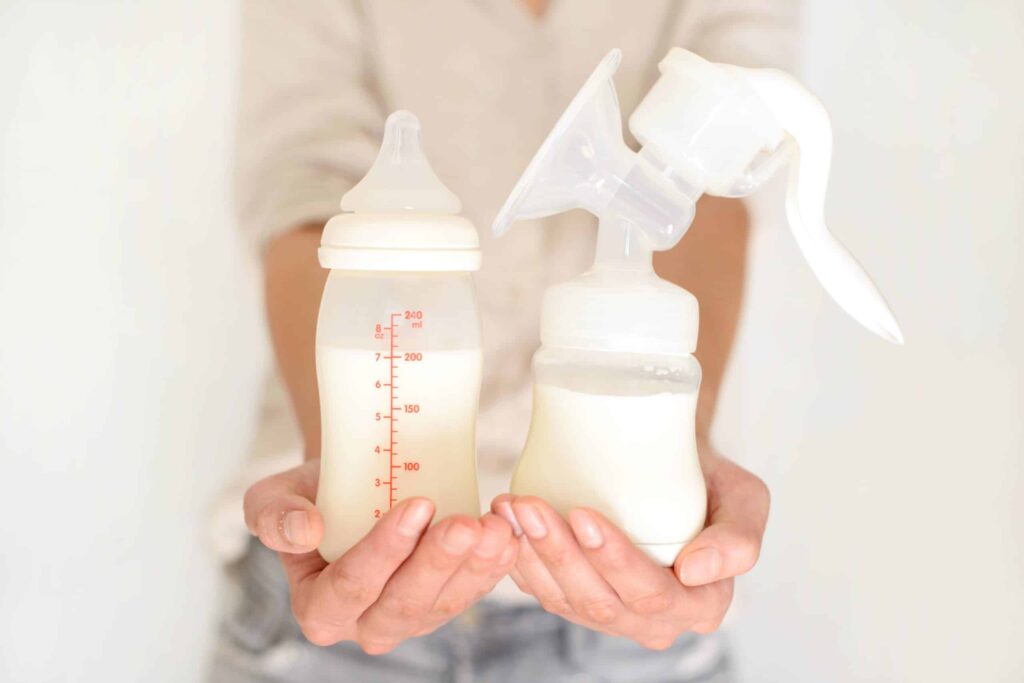
How can you increase milk production naturally?
Breastfeeding is a beautiful and natural way to feed your baby, but many new mothers struggle with low…
Read more →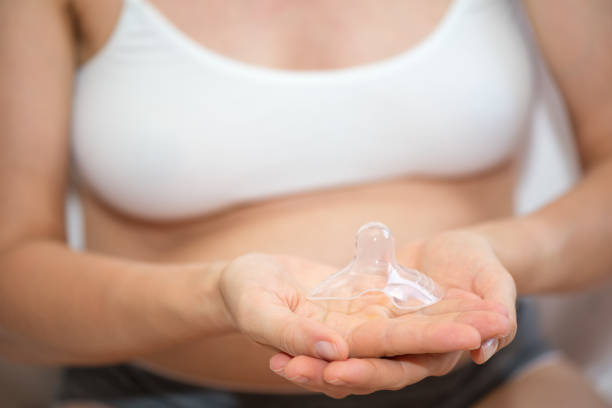
Nipple shields: what are they and when should you use them?
Nipple shields are aids used during breastfeeding. They are made of silicone or rubber and are placed over…
Read more →