



Milksy blog
Freeze-drying breast milk versus other methods
Breast milk is the best source of nutrition for babies, but it can be challenging for mothers to store and preserve it for later use. There…
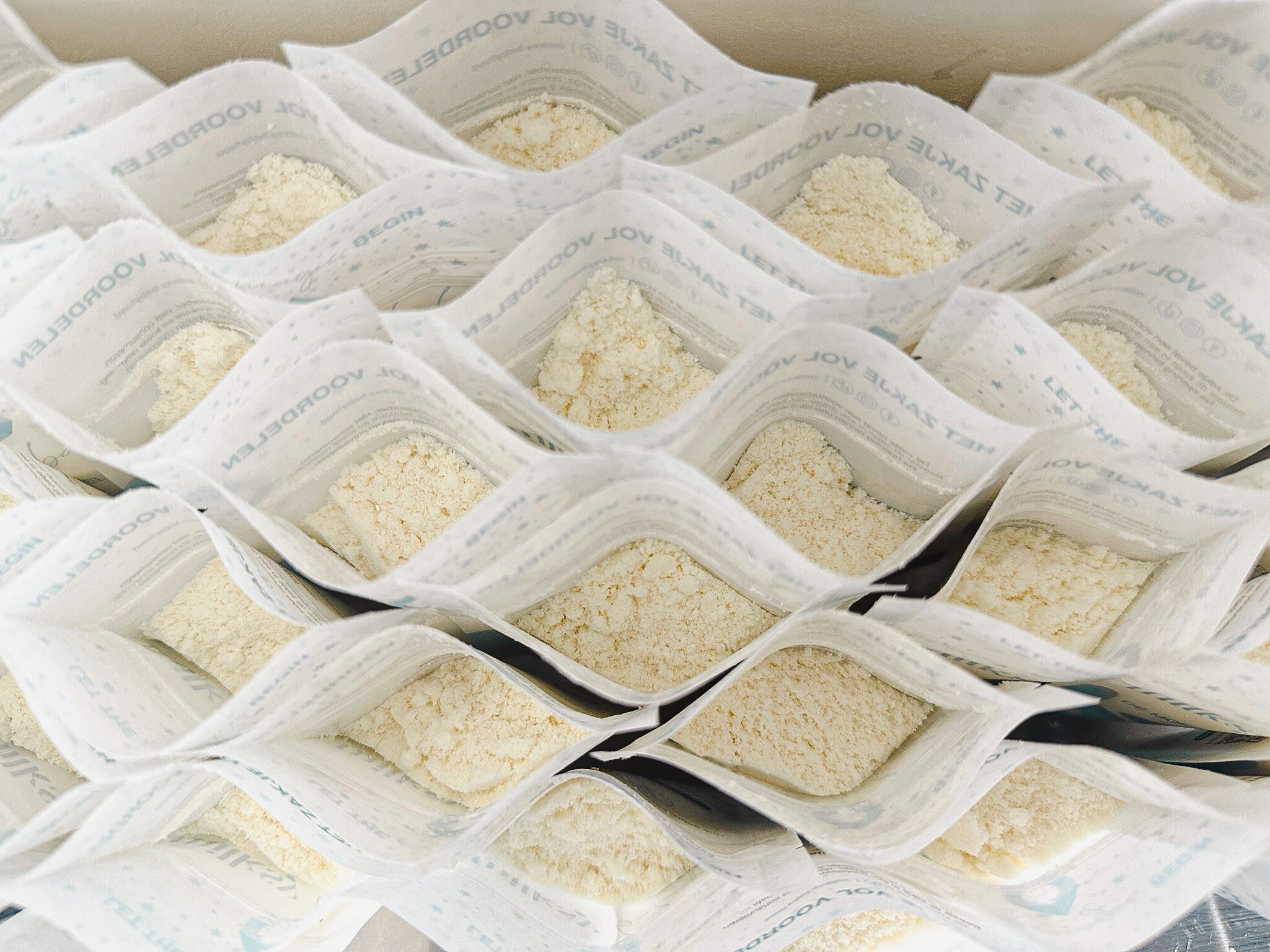
Breast milk is the best source of nutrition for babies, but it can be challenging for mothers to store and preserve it for later use. There are several methods of storing breast milk, including refrigeration, freezing and freeze-drying. In this blog post, we will explore how freeze-dried breast milk compares to other methods of breast milk storage.
Cooling
Refrigeration is a commonly used method to store breast milk for short periods of time, usually up to 72 hours. Breast milk can be stored in the refrigerator at a temperature of 4°C (39°F) or lower. However, cooling does not completely stop bacteria growth and breast milk can spoil quickly if not used within a few days.
Freeze
Freezing breast milk is another popular method of storing breast milk for longer periods of time, usually up to six months. Breast milk can be stored in the freezer at a temperature of -18°C (0°F) or lower.
According to CDS, the American Health Service, your breast milk is still of excellent quality after 12 months in the freezer. After 12 months, your milk will not suddenly spoil or expire, your breast milk will gradually lose its nutrients, but this will take quite some time. At Milksy we recommend that mothers have their breast milk freeze-dried by us no later than two years after production.
Freezing breast milk can help preserve its nutritional value, but it can also cause changes in the texture and taste of the milk. Additionally, freezing breast milk can be time-consuming and take up a lot of freezer space.
Freeze-drying
Freeze-drying is a relatively new method of preserving breast milk, but it has gained popularity abroad in recent years. Freeze-dried breast milk is made by removing the water content from breast milk, leaving a powder that can be stored for long periods of time.
Freeze-drying is a gentle preservation method that can largely preserve the nutrients and various bioactive components in breast milk. The extent of preservation varies by component and conditions. Milksy applies a four-year shelf life to unopened, undamaged packages, provided the prescribed storage conditions are followed. Keep the package cool, dry and away from light, and follow the date and instructions on the label. Read more in our scientific article.
Milksy Babyfood is the only one in the Netherlands that can freeze-dry your breast milk, so order quickly Milksy Babyfood (your own freeze-dried breast milk).
Comparison
Refrigeration, freezing and freeze-drying are different storage methods with their own conditions. Freeze-drying makes breast milk light and compact; nutrients can be largely preserved, depending on the component and conditions. Milksy applies a four-year shelf life to unopened, undamaged packages, provided the prescribed storage conditions are followed. Keep the package cool, dry and away from light, and follow the date and instructions on the label.
It is important to note that proper storage and handling of breast milk is crucial to ensure its safety and nutritional value. By following proper storage and handling techniques, mothers can ensure that their babies receive safe and nutritious breast milk.
Continue reading
More from Milksy
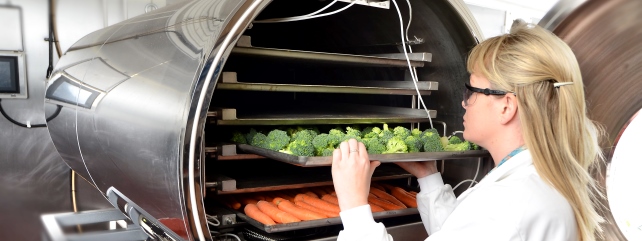
Freeze-drying: a revolutionary way to preserve food and more
Bevriezen, vacuüm en sublimatie: lees hoe vriesdrogen werkt, hoe het verschilt van gewone droging en hoe Milksy de techniek toepast op moedermelk.
Read more →