



Milksy blog
Nipple shields: what are they and when should you use them?
Nipple shields are aids used during breastfeeding. They are made of silicone or rubber and are placed over the nipple to…
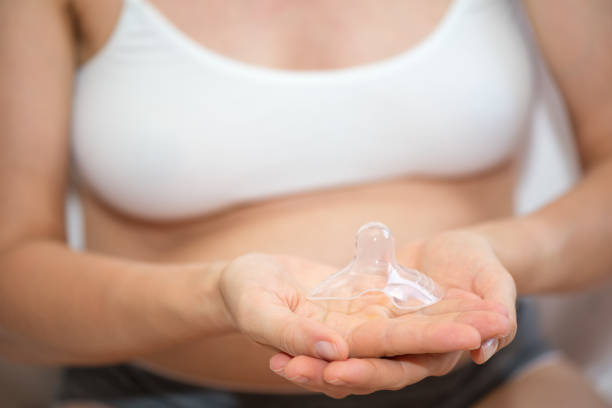
Nipple shields are aids used during breastfeeding breastfeeding. They are made of silicone or rubber and are placed over the nipple to help the baby grasp the nipple. In this article we discuss what nipple shields are, when to use them and how to use them correctly.
What are nipple shields?
Nipple shields are small, flexible devices used during breastfeeding. They are placed over the nipple to help the baby grasp the nipple. Nipple shields are available in different sizes and materials, including silicone and rubber.
When should you use nipple shields?
Nipple shields are usually used in the following situations:
- If the baby has difficulty grasping the nipple
- If the baby cannot suck properly
- If the mother suffers from cracked nipples or sore nipples
- If the baby is premature or has a low birth weight
It is important to remember that nipple shields are not always the best solution for these problems. It is always best to try to address the cause of the problem first, such as improving latch technique or treating cracked nipples.
How do you use nipple shields?
If you decide to use nipple shields, it is important to use them correctly. Here are some tips:
- Choose the right size: Nipple shields are available in different sizes. It is important to choose the right size to ensure that the baby fits well
- can suck and to prevent the cracked nipples from getting worse. A lactation consultant or healthcare provider can help you choose the right size.
- Clean the nipple and nipple shield: Wash your hands before touching the nipple shield and clean the nipple and nipple shield before using them. Use warm water and soap to clean them and rinse well.
- Place the nipple shield on the nipple: Place the nipple shield over the nipple and make sure it is secure. The nipple shield should lie flat on the breast and not stand up.
- Help the baby to grasp the nipple: Place the baby on the breast and help him to grasp the nipple. Make sure the baby has the nipple shield and nipple in his mouth and that he can suck well.
- Remove the nipple shield carefully: Remove the nipple shield carefully when the baby has finished drinking. Do not pull on the nipple shield, but gently push it down to loosen it.
Conclusion
Nipple shields can be a useful breastfeeding aid, especially if the baby has difficulty grasping the nipple or if the mother suffers from cracked nipples. However, it is important to remember that nipple shields are not always the best solution and it is important to address the root cause of the problem. If you decide to use nipple shields, it is important to use them correctly and to choose the right size. A lactation consultant or healthcare provider can help you choose the right size and use nipple shields.
Continue reading
More from Milksy

How diet and lifestyle affect breast milk production and quality
Breast milk is the best food for babies because it contains all the nutrients a baby needs to grow and develop…
Read more →
How can you increase milk production naturally?
Breastfeeding is a beautiful and natural way to feed your baby, but many new mothers struggle with low…
Read more →
Breastfeeding: everything you need to know
Breastfeeding is the most natural way to feed your baby and offers numerous benefits for both the baby and the…
Read more →